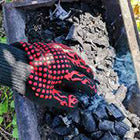
Run a portable generator outside only, at least 20 feet from your house, with the exhaust pointed away from it....
A good power outage checklist covers five things: light, water, food, warmth and a plan for anyone who needs power for medicine or a medical device. Get those ready before the lights go out. Then follow a short list of rules for the hours you spend in the dark.
Plan for longer than you think. The U.S. Energy Information Administration found the average home lost power for 11 hours in 2024, nearly twice the yearly average of the decade before. The Red Cross says to store non-perishable food and water for at least two weeks.
Before: light
- Plug a Backup Light into each bedroom, the hallway and the kitchen. It charges in the outlet, turns on by itself when the power goes out and pops out as a flashlight.
- Keep flashlights and extra batteries where everyone knows to look.
- Leave the candles in the drawer. They bring a fire risk of their own, and the Red Cross tells you to use flashlights in an outage.
Before: water and food
- Store at least 1 gallon of water per person, per day, for at least 3 days. The CDC says to aim for a 2-week supply if you can, and to store extra for pets.
- Add a SafeSip Filtered Water Bottle, a 26 oz bottle with a filter built in. Fill it at the tap, and the water passes through the filter as you sip. No power, no pumping. Keep your stored water too.
- Stock non-perishable food and a manual can opener.
- Put an appliance thermometer in the fridge and the freezer, and keep coolers and ice packs handy. Here's how long food lasts without power.
Before: phones, news and power
- Keep phone chargers and a backup battery charged.
- Get a battery-powered or hand-crank radio, and sign up for your area's emergency alerts.
- Write your important phone numbers on paper.
- Keep your car's gas tank at least half full.
- Plug electronics into surge protectors.
Before: medical needs
If anyone at home uses a medical device that runs on power, or a medicine that has to stay cold, make a plan with their doctor or the device supplier now. The Red Cross also suggests deciding ahead of time when you would leave home to keep those devices running.
Before: warmth and alarms
- Have a sleeping bag or warm blanket for each person, plus a change of warm clothes.
- Keep a Hero Survival Bag in the emergency kit and the car. It's an emergency sleeping bag that packs smaller than a soda can and helps hold in your body heat. Use it with warm clothes and shelter, never as your only protection from the cold.
- Check that your smoke alarms have battery backup and work. Put at least one carbon monoxide alarm on each level. A plug-in alarm with no battery stops working when the power does.
During: when the lights go out
- Get light. Your Backup Lights are already on. Lift one out and check on everyone.
- Keep the fridge and freezer shut. A closed fridge keeps food cold for about 4 hours. A full freezer holds for about 48.
- Unplug appliances and electronics. The Red Cross says this protects them from overloads and surges when the power comes back.
- Run a generator outside only. Never in the house, garage or basement. The Red Cross says to keep generators, camp stoves and charcoal grills outdoors, at least 20 feet from windows. Read our generator carbon monoxide guide.
- Never heat your home with a gas stove or oven.
- Check in. Tell your family you're OK, and check on the people who count on you.
- Leave if you need to. If the house gets too hot or too cold, or someone relies on a device that needs power, head to a warming or cooling center.
- Turn off utilities only if you suspect damage or local officials tell you to.
After: when the power comes back
- Stay at least 35 feet from fallen power lines and anything they touch, and call 911.
- Throw out perishable food that sat above 40°F for more than 2 hours. When in doubt, throw it out.
- Ask your doctor or pharmacist about refrigerated medicine that got warm.
- Don't use electrical equipment that may have been under water until a qualified electrician checks it.
- If breakers tripped, have an electrician inspect them before you switch them back on.
- Restock what you used. Your Backup Lights recharge on their own in the outlet.
Start with the light. Every other step on this list is harder in the dark, and the Backup Light is the one that's already on when the power cuts out. Put one in every room someone sleeps in, plus the hallway. Get your Backup Lights.
Fire
Safety
Survival
Protection
New
Safety