


 Fire
Fire Safety
 Survival
 Protection
 New
New Scouting America


 Safety
Summer Grilling Safety Tips: What Every Backyard Cook Should Know
Summer and grilling go together. The warm evenings, the smell of smoke, the whole family in the backyard. It's one...
View Article

Minor injuries happen when you least expect them. A scraped knee at the playground, a cut while hiking, or a small burn in the kitchen can quickly turn from a simple accident into a stressful situation if you're not prepared.
But here's the problem: most first aid supplies are sitting in a bathroom cabinet at home when you actually need them somewhere else. This guide covers why individual first aid kits make sense for modern families, where to place them, and how to use them effectively.

The Prepared Hero Individual First Aid Kit is designed for fast, effective care of minor injuries. Each compact kit (4.75" x 4"H) contains everything you need to clean, treat, and protect small cuts, scrapes, and abrasions:
These aren't random supplies thrown together. Each component follows a logical care sequence: clean your hands, disinfect the wound, apply protection, and cover it properly. That's the same approach healthcare professionals recommend for basic wound care.
The best part? Each waterproof, resealable pouch contains six individually sealed first aid kits. That means you can keep first aid supplies in multiple locations instead of relying on one bulky kit that's never where you need it.

Traditional first aid kits have a problem: everything sits together in one box. Bandages lose their sterility, ointment tubes get contaminated, and supplies get exposed to dust and moisture. Over time, the kit becomes less reliable.
Individual packaging solves this. Each Prepared Hero kit stays sealed until you need it, which keeps everything clean and ready to use. This is important in outdoor settings or public places where contamination risks are higher. You're not digging through a shared kit that's been sitting in your car for months. You're opening a fresh, single-use package designed for immediate care.
Plus, individually sealed kits reduce cross-contamination between users. If you're caring for multiple people (like a coach, teacher, or camp counselor), you can hand out separate kits without worrying about spreading germs.

The numbers might surprise you. More than 3.4 million children experience an unintentional home-related injury each year in the United States. Home-related injuries result in an average of 21 million medical visits annually, and these accidents account for at least $220 billion in medical costs.
Falls are the leading cause of injury-related emergency department visits for children, with about 8,000 kids treated every day in the U.S. for fall-related injuries. Children ages 1 to 4 are especially vulnerable, but accidents don't discriminate by age. Adults and seniors face their own risks, from kitchen cuts to outdoor mishaps.
And it's not just happening at home. With outdoor recreation participation reaching record levels (over 180 million Americans participated in outdoor activities in 2024), more families are hiking, camping, and exploring. Gateway activities like hiking, camping, and fishing each gained over 2 million new participants recently. That's great for health and family bonding, but it also means more opportunities for minor injuries in places where medical help isn't immediately available.
The good news? Most of these injuries are minor and can be treated effectively with basic first aid supplies if you have them on hand.

The multi-pack design of the Prepared Hero Individual First Aid Kit gives you six kits in one pouch. That's not random. It's designed around how families actually live. Here's where you should place them:
The Kitchen
Cuts happen when you're cooking. Whether you're slicing vegetables or a child accidentally grabs something sharp, having immediate access to bandages and antibiotic ointment can prevent a minor cut from becoming infected. Keep a kit in an easy-to-reach drawer so you don't have to search when someone's bleeding. Just like you should keep fire blankets and fire sprays in your kitchen for fire emergencies, first aid kits belong there for injury emergencies.
Your Vehicle
A kit in your glove compartment means you're always prepared, whether it's a roadside emergency or your kid scrapes their knee at the park. At 4.75" x 4", it won't take up valuable space but will give you serious peace of mind.
Your Purse or Daypack
Parents know this scenario well: kids get hurt at the most unexpected moments. Having a kit in your everyday bag means you can provide immediate care without hunting for a pharmacy or rushing home.
Kids' Backpacks
School-age children are active, and minor injuries are part of growing up. A compact kit gives them (or their teacher) the ability to handle small scrapes immediately. Just make sure your child knows when and how to use it or ask an adult for help.
Your Gym Bag or Workplace
Whether you work in an office or a more hands-on environment, having personal first aid supplies demonstrates preparedness. It also means you can handle minor injuries quickly without waiting for someone else.
Travel Luggage
The compact size makes these kits TSA-friendly and perfect for any trip. They won't add weight to your luggage, but they'll provide peace of mind wherever you go. This is especially important when traveling internationally, where finding first aid supplies might be more difficult.
Think about it this way: accidents don't schedule appointments. They happen at soccer games, on hiking trails, during road trips, and in your kitchen. By distributing kits across the places you actually spend time, you create a safety net for your family.

Knowing what's in the kit is only half the battle. You also need to know how to use it correctly. The Prepared Hero Individual First Aid Kit is designed to walk you through proper wound care in four simple steps:
Step 1: Clean Your Hands
Use the hand sanitizing wipe first. This step is critical but often forgotten. Clean hands prevent introducing new bacteria into the wound. Take your time and get your hands thoroughly clean before touching the injury.
Step 2: Disinfect the Wound
Use the antiseptic wipe to clean the wound area. This removes debris, dirt, and bacteria from the injury site. Wipe gently from the center outward to avoid pushing contaminants into the wound.
Step 3: Apply Antibiotic Protection
Open the triple antibiotic ointment and apply a thin layer to the cleaned wound. This creates a barrier against infection and helps the wound heal faster. You don't need much. A thin layer is all it takes.
Step 4: Cover and Protect
Choose the appropriate bandage size based on the wound. The kit includes four different sizes, from small cuts to larger scrapes. Make sure the bandage completely covers the wound and extends beyond its edges to keep it protected and clean.
These steps follow the basic wound care protocol recommended by healthcare professionals. You're not just slapping on a bandage. You're providing proper treatment that reduces infection risk and promotes faster healing.

While everyone can benefit from portable first aid kits, certain groups will find them especially valuable:
Active Parents and Families
If your weekends involve soccer fields, hiking trails, or playground adventures, you need portable first aid. Minor injuries are part of active childhood, and being prepared means these moments don't derail your day. Research shows that 66% of American households with children now participate in outdoor activities, making preparedness more important than ever.
Teachers and Childcare Professionals
When you're responsible for multiple children, having individual sealed kits means you can provide appropriate care to different kids without cross-contamination concerns. Each child gets fresh, sterile supplies, which is important in group settings.
Outdoor Enthusiasts
Hikers, campers, and trail runners know that preparation is everything. These lightweight kits add virtually no weight to your pack but provide essential capability when you're miles from help. With outdoor recreation participation at record levels, more people are recognizing the need for portable safety supplies.
Coaches and Youth Leaders
Whether you're coaching Little League or leading a scout troop, kids in your care will get minor injuries. Having these kits on hand shows parents you're prepared and gives you the tools to address problems immediately.
Daily Commuters and Business Travelers
Unexpected situations arise when you're on the move. A kit in your bag means you can help yourself or others when needed. Plus, the TSA-friendly design makes them perfect for frequent flyers.
The first aid kit market tells an interesting story about changing priorities. The global market was valued at approximately $626 million in 2025 and is projected to reach over $900 million by 2033. That's a growth rate of about 4.7% annually, which might not sound dramatic until you look at what's driving it.
Portable and specialized first aid kits are leading this growth. About 72% of U.S. households now maintain at least one first aid kit, and demand for activity-specific solutions (like outdoor kits, travel kits, and workplace kits) has increased significantly. This shift reflects our increasingly mobile lifestyles and growing awareness about injury prevention.
Recent surveys show that around 44% of homes keep emergency preparedness kits, indicating a trend toward proactive safety planning. People are recognizing that traditional approaches (where one large kit sits in one location) don't match how we actually live.

Let's be clear about what these kits are designed for: minor injuries. Small cuts, scrapes, and abrasions. They're your first line of response before seeking professional medical help when needed.
These kits won't handle serious injuries, and they're not meant to. For deep cuts, severe burns, broken bones, or any serious medical emergency, you need professional medical care immediately. Think of these kits as tools for everyday minor injuries, not substitutes for emergency services.
Also important: check expiration dates periodically. Medical supplies have shelf lives. The good news is that individually sealed kits maintain their integrity longer than traditional kits where supplies get exposed to air and moisture. But you should still check dates and replace components as needed.
Finally, once you use a kit, that location is no longer covered. Consider ordering a new six-pack annually or whenever you've used multiple kits. This ensures you maintain coverage across all your high-need locations.

There's something that doesn't get talked about enough when discussing safety products: the psychological benefit of being prepared. When you know you have the tools to handle minor problems, you approach life differently.
You're more likely to encourage your kids to climb that tree, try that hiking trail, or explore independently because you know minor injuries don't have to become major disruptions. You feel more confident taking that camping trip or letting your teenager head to practice with their team.
With outdoor participation reaching all-time highs (over 58% of Americans aged 6 and older participated in outdoor activities in 2024), families are embracing more adventurous lifestyles. But that increased activity comes with inevitable bumps and bruises. Having the right tools at the right time transforms a potentially stressful moment into a manageable one.
Let's talk about value. A single urgent care visit for a minor injury that becomes infected can easily cost $100 to $200 or more. That's not including lost time from work, disrupted plans, or the stress of dealing with a preventable complication.
Compare that to having the tools to provide immediate, appropriate care that prevents complications. The Prepared Hero Individual First Aid Kit multi-pack gives you coverage across six locations for less than the cost of one medical visit.
Beyond direct costs, consider the opportunity cost. How many times have minor injuries disrupted your plans? Missing part of a vacation because you had to find a pharmacy. Cutting a hike short because someone got hurt. Canceling activities because you weren't prepared to handle minor problems.
Being prepared isn't about paranoia. It's about maintaining the flow of your life when small disruptions occur. It's about confidence, convenience, and the ability to help yourself and others when needed.

To get the most from your Individual First Aid Kits, keep these tips in mind:
Familiarize Everyone with Kit Locations
Make sure family members know where the kits are kept. In an emergency, you don't want people searching. Consider having a quick family meeting to review kit locations and basic usage.
Teach Basic First Aid
Having supplies is important, but knowing how to use them properly matters just as much. Consider taking a basic first aid course through the Red Cross or similar organization. These classes are often quick and inexpensive but provide valuable skills.
Check Kits Periodically
Even though individually sealed kits maintain their integrity well, it's good practice to check them every 6 to 12 months. Look for any damage to packaging and verify components are still sealed and within their expiration dates.
Replace After Use
This might seem obvious, but it's easy to forget. When you use a kit, replace it soon after so that location is covered again. Don't wait until you need another one to discover you're out.
Consider Activity-Specific Additions
While the Individual First Aid Kit covers minor injuries well, you might want additional supplies for specific activities. For camping, consider including blister treatment. For water activities, waterproof bandages might be helpful. The compact kits work great as a foundation that you can build on.

Individual first aid kits are an important part of home safety, but they're just one piece of a larger puzzle. A comprehensive fire and safety plan should also include:
Smoke Detectors
Every level of your home needs properly placed smoke detectors. They should be in bedrooms, hallways, and common areas. Learn more about smoke detector placement rules here. Test them monthly and replace batteries annually.
Fire Suppression Tools
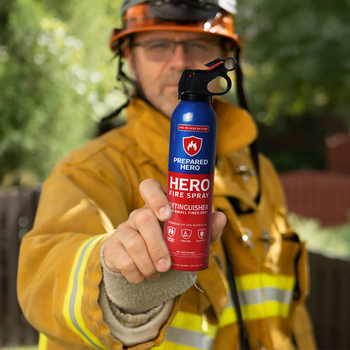
Fire blankets and fire sprays give you the ability to handle small fires before they spread. The Prepared Hero Emergency Fire Blanket and Hero Fire Spray are designed for easy use, even under stress. Learn more about how to put out different types of fires here.
Kitchen Fire Safety
The kitchen is where most home fires start. Know how to put out a grease fire and keep the right tools nearby. Fire blankets work on grease fires by cutting off oxygen, making them safer than water or certain extinguishers.
Emergency Exit Plans
Every family member should know at least two ways out of every room and where to meet outside. Practice fire drills regularly so everyone knows what to do without thinking.
Complete Safety Kits
Consider bundling your safety tools together. The Emergency Fire Protection Kit combines fire blankets and fire spray in one package, giving you multiple ways to respond to fire emergencies.
Do you want reliable, easy-to-use, and affordable tools to keep your family safe? Check out Prepared Hero's complete line of safety products here, with up to 51% off on certain items.

It's important to know the limits of first aid. While the Individual First Aid Kit handles minor injuries effectively, some situations require professional medical attention:
Seek immediate medical care for:
First aid is exactly what its name suggests: the first aid you provide. It's not a replacement for professional medical evaluation when needed. When in doubt, err on the side of caution and seek medical advice.

Modern families are rarely in one place for long. Between work, school, sports practices, outdoor adventures, errands, and social activities, we're constantly on the move. Traditional first aid kits, sitting in one location at home, don't match this reality.
The Prepared Hero Individual First Aid Kit recognizes how families actually live. By providing six kits in one package, it lets you create a distributed safety net across all the places life happens. You're not just prepared at home. You're prepared everywhere.
This approach reflects a broader shift in safety thinking. Instead of centralized preparedness (one solution in one place), we're moving toward distributed readiness (multiple solutions in multiple places). It's the same principle behind keeping fire extinguishers on different floors, smoke detectors in multiple rooms, and emergency contact information in several locations.
When you distribute preparedness across your life, you dramatically increase the chances that you'll have what you need when you need it. And in an emergency, that makes all the difference.
Minor injuries are part of life, especially for active families. The question isn't whether accidents will happen. It's whether you'll be ready when they do. The Prepared Hero Individual First Aid Kit provides a practical solution that matches modern lifestyles.
Six individually sealed kits mean you can keep first aid supplies in your kitchen, car, purse, kids' backpacks, gym bag, and luggage. You're creating a safety net that covers all the places accidents actually occur. Each kit contains everything needed for proper wound care: hand sanitizing wipes, antiseptic wipes, antibiotic ointment, and multiple bandage sizes.
With over 3.4 million children experiencing home-related injuries annually and outdoor recreation participation at record levels, being prepared isn't paranoid. It's practical. It's recognizing that minor problems don't have to become major disruptions if you have the right tools in the right places.
The Prepared Hero Individual First Aid Kit launches in February 2026, offering a fresh approach to family preparedness. Because when you're living life fully (exploring, playing, working, traveling), you shouldn't have to choose between adventure and safety.
Stay prepared, hero!
Smoke Detector Placement Rules Every Homeowner Should Know
Where you put your smoke detectors matters just as much as installing them. Learn the critical placement rules that could save your family.
How to Put Out a Fire: Complete Guide for Every Fire Type
Different fires require different approaches. Discover how to handle grease fires, electrical fires, and more safely and effectively.
Do Fire Blankets Work on Grease Fires?
Grease fires are one of the most common kitchen emergencies. Find out why fire blankets are one of the safest tools for handling them.
Ready to create your safety net? The Prepared Hero Individual First Aid Kit gives you six opportunities to be prepared across all the places life happens. Shop Prepared Hero's complete safety collection and get up to 51% off on select items.
Shop the Prepared Hero Individual First Aid Kit and get up to 44% off on multi-packs.
Summer and grilling go together. The warm evenings, the smell of smoke, the whole family in the backyard. It's one...
Spring is here. The grill comes out of storage. The hiking boots get laced up. The backyard finally gets some...
Blows down the street, or a heat wave pushes the grid past its limit. Suddenly, your home goes completely dark....

#1 Best Seller on Amazon




Join The
Hero Team
Subscribe To Our
Newsletter & Save $5 Today!


 30 N Gould St #37171
  +1 888-457-2672
 support@preparedhero.com
